Apple sued OpenAI's hardware chief and demands a redesign, SK hynix closed at $168.01
Apple's 41-page complaint names OpenAI's chief hardware officer and asks a judge to make OpenAI redesign its upcoming devices. SK hynix closed its Nasdaq debut at $168.01, 13% above its $149 offer. JPMorgan's Q2 numbers land at 7 a.m. Tuesday.
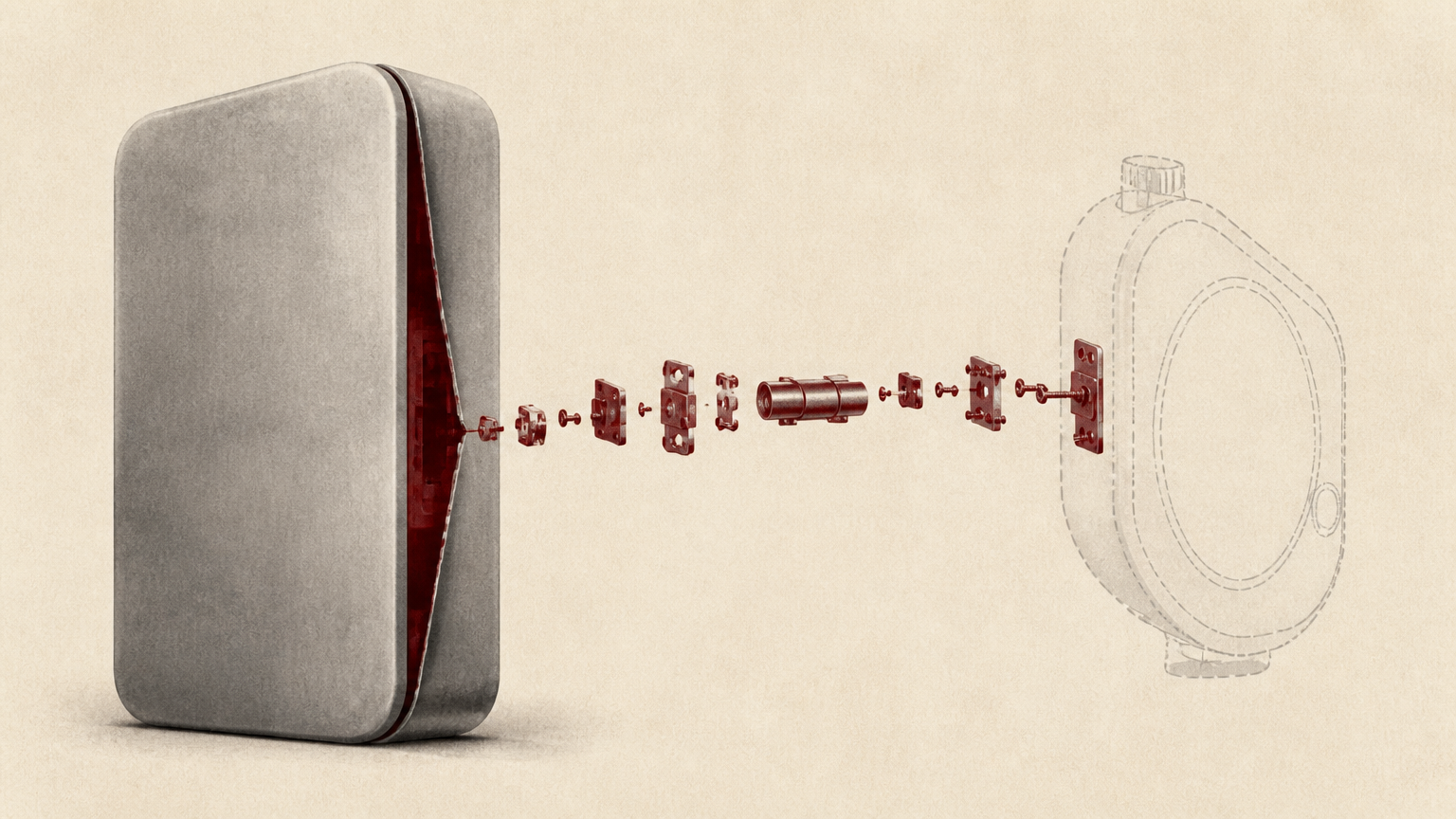
Tang Tan gave Apple 24 years, then took the top hardware job at OpenAI. On Friday Apple sued him, the lab, and the engineer it says kept his Apple laptop.
Today:
- Apple sued OpenAI, its hardware chief, and an engineer
- Apple wants the unreleased devices redesigned, not just paid for
- SK hynix closed 13% above its $149 offer
- A 72% margin says the memory cycle is dead
- JPMorgan opens Q2 earnings Tuesday at 7 a.m. ET
THE COMPLAINT
Apple wants a court to make OpenAI redesign the hardware nobody has seen yet.
Apple ($AAPL) filed Apple Inc. v. Liu in the Northern District of California on Friday. The defendants are OpenAI, named as two separate entities, its hardware unit io Products, and two former Apple employees. A $4.6 trillion company is suing a private lab that is preparing to list.
Tang Tan, OpenAI’s chief hardware officer, spent roughly 24 years at Apple. He rose to vice president of product design for the iPhone and Apple Watch. He left in 2024 for io Products, the startup founded by Jony Ive, Apple’s former design chief. OpenAI bought it last year for $6.4 billion. Chang Liu put in eight years as a senior systems electrical engineer before joining OpenAI this year. Ive is not a defendant. Tan and Liu are.
What the complaint alleges:
- The interview: Tan recruited with confidential Apple codenames, and told candidates still on Apple’s payroll to bring “actual parts” to interviews
- The exit: Liu copied dozens of confidential hardware files, and never returned the laptop Apple issued him
- The supplier: OpenAI asked a hardware firm to run a metal finishing technique Apple invented, implying Apple had approved it
- The headcount: more than 400 former Apple employees now work at OpenAI, by Apple’s own count in the filing
- The ask: destroy the material, redesign the upcoming products, and not one reported damages figure
From the complaint: “OpenAI’s nascent hardware business now rests on the shakiest of foundations, rotten to its core by its illegal reliance on misappropriated trade secrets.” The answer came from Drew Pusateri, OpenAI’s director of strategic communications: “We have no interest in other companies’ trade secrets.”
Apple says it wrote to OpenAI in February and got no reply. The two were partners in 2024, when ChatGPT went inside the iPhone. The Siri shipping this fall runs on Google’s Gemini instead.
Why it matters: A cash settlement prices a product launch. An injunction can stall one, and that is what Apple asked for. OpenAI now walks toward its listing with a federal judge holding a veto over hardware it has not shipped. Discovery hands Apple a map of the program while it happens.
Contrarian read: A complaint is an opening brief, not a finding. Apple names two people, then concedes it lacks visibility into what happens behind closed doors at OpenAI. That reads like a company suing to get discovery. A jury found Elon Musk sued OpenAI too late, and in June a judge threw out xAI’s poaching claim.
THE LISTING
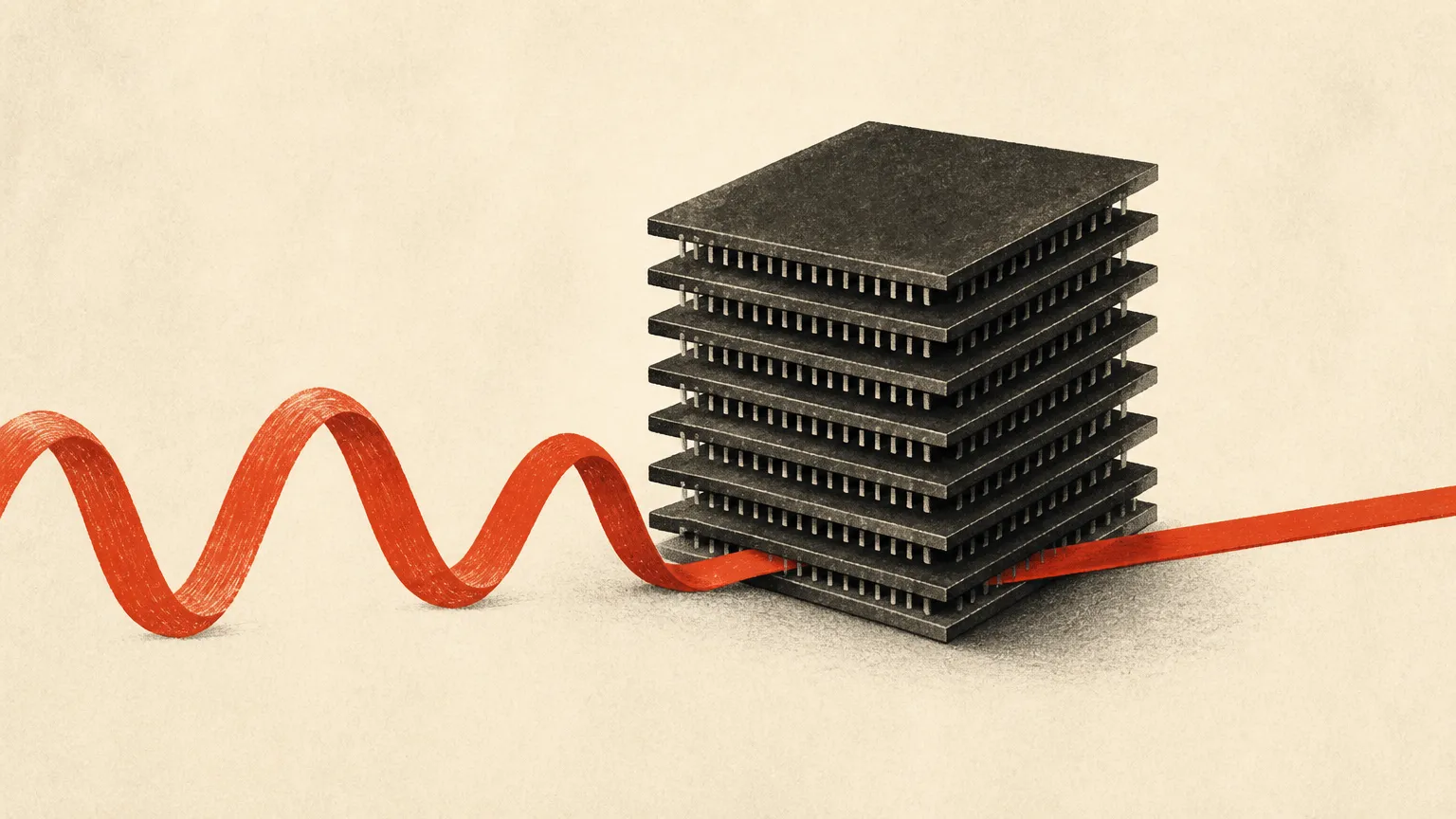
SK hynix closed its first Nasdaq day at $168.01. Its chairman says the memory cycle is over.
SK hynix ($SKHYV) rang the Nasdaq opening bell on Friday. The ADRs priced at $149, opened at $170, and closed at $168.01. That 13% first-day gain is measured against the offer, not the open, and the stock drifted lower all session.
Chey Tae-won, SK Group Chairman, rang the bell in Times Square. SK hynix leads in high-bandwidth memory, the stacked chips that feed Nvidia’s accelerators. Only Samsung is worth more in South Korea, and the valuation is up more than sevenfold in a year. The ticker becomes SKHY on Tuesday, when the offering closes.
The company’s own 1Q26 numbers show what an AI-driven shortage does to a memory business. They are preliminary and still subject to audit.
What the shortage did to the P&L:
- Operating margin: 72% in 1Q26, against 42% a year earlier
- Revenue: up 198% year over year, and up 60% from the December quarter
- Operating profit: up 405% year over year, the highest the company has reported
- The raise: $26.5B priced, earmarked for new factories and equipment
- The spend: a $390B fab cluster in Yongin, against a $4B packaging plant in Indiana
SK hynix says customer demand already exceeds what it can supply. Chey told CNBC that after the company promised to double capacity within five years, buyers were unimpressed.
“All my customers said that, ‘Well, that’s not enough, man, and, well, we need more,’” he told CNBC on the floor.
Why it matters: Memory is the scarce input in the AI buildout. It now has a dollar line on Nasdaq. Nvidia and Apple are both customers, so index holders already owned this exposure indirectly. The Yongin cluster is a one-way bet that AI demand never mean-reverts.
Reality check: The dot-com boom, smartphones, and the shift to cloud each pulled memory demand up. Each one ended in oversupply and a price collapse. A margin like that is precisely what pulls new capacity into a market. Chey says this cycle is different, which is a chairman’s claim on a debut day, not a filing.
WEEK AHEAD
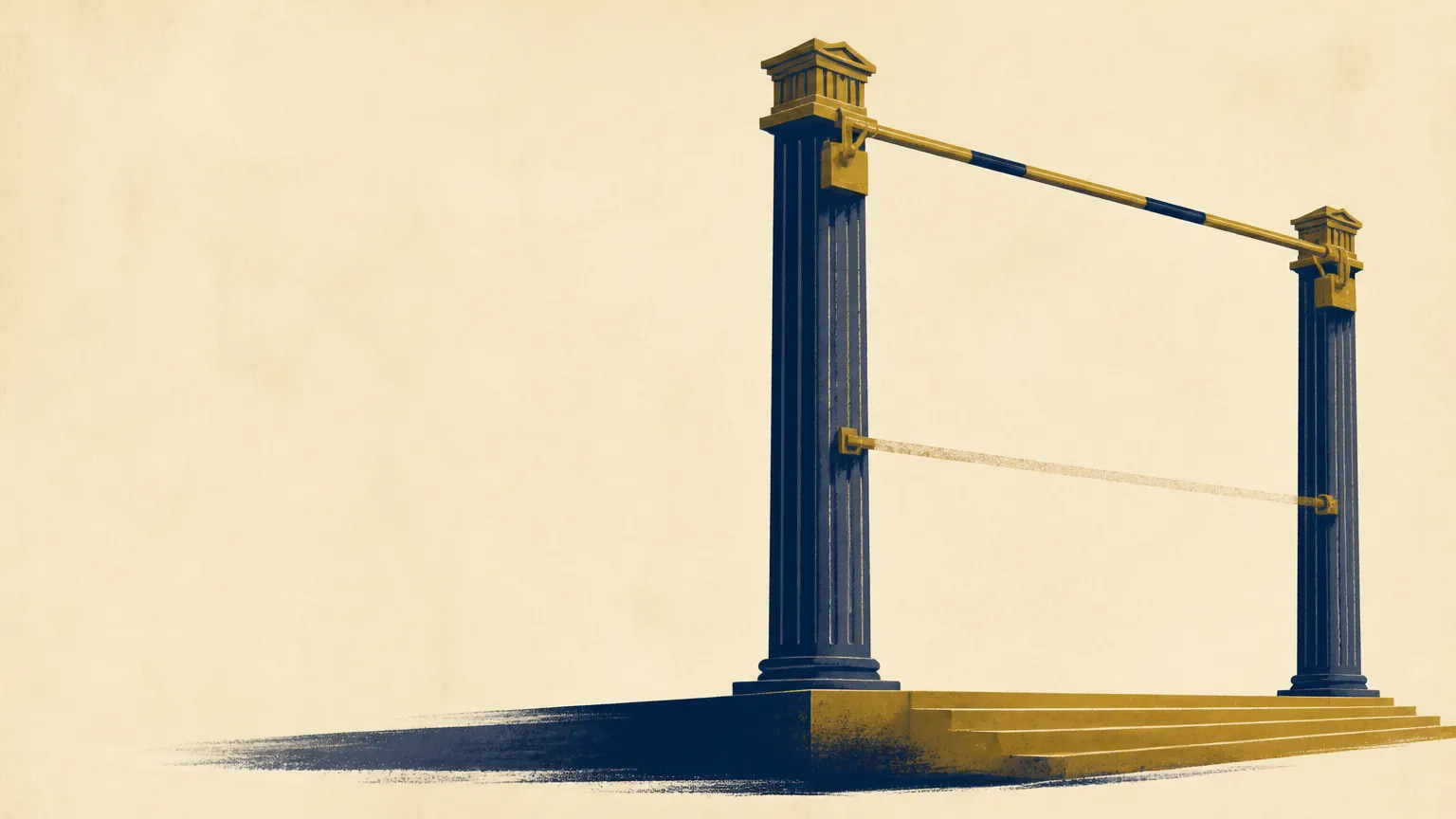
Analysts spent the quarter raising the bar. LSEG’s screen finds two names set up to clear it.
LSEG I/B/E/S now puts S&P 500 Q2 earnings growth at 24.4%, up from 15.2% at the start of the year. Estimates went up while the quarter ran. They normally go down.
Tajinder Dhillon, LSEG senior research analyst, published the screen on Friday. His tool is StarMine Predicted Surprise, which flags the names still expected to beat a raised consensus. Above 2%, LSEG treats the reading as statistically significant. Below -2%, it points the other way.
Who is set up to clear the bar:
- Above the line: Exxon Mobil and ConocoPhillips. That is the entire list.
- Below it: Chevron reads -7.4%, inside the same energy sector that led the upgrades
- The receipt: Micron carried a 3.6% reading into its print, then beat by 20.9%
- First to report: JPMorgan Chase ($JPM) posts Q2 at 7:00 a.m. ET Tuesday, with the call at 8:30
- What it carries in: $4.9T of assets and $364B of equity, as of March 31
Why it matters: A bar this high changes what a beat means. A company that merely meets its number clears nothing, because the raise already happened. The banks go first, and their loan books are the first hard read on the consumer. Everything after Tuesday gets marked against what JPMorgan says about the borrower.
The surprising bit: both names above LSEG’s line are oil producers. Analysts marked energy and technology up all quarter. Not one tech name on the list is priced to beat.
That’s the brief.
Tomorrow we do it again.
Forward this to someone who pretends to read the FT. Subscribe at moneyhacker.news.
Not financial advice. Just the news.